
Interviews & Analysis: Unlocking Insights Through Expert Perspectives
In the fast-paced world of technology, business, and innovation, interviews and in-depth analyses offer a valuable opportunity to dive beneath the surface of trends, ideas, and industry movements. By speaking with experts, thought leaders, and innovators, interviews can reveal hidden insights, strategies, and visions that are shaping the future. Combined with thorough analysis, these interviews provide a deeper understanding of complex topics, enabling us to make informed decisions and stay ahead in an ever-evolving landscape.
The Power of Interviews: Gaining Direct Insights
Interviews are one of the most powerful tools for gaining first-hand insights from experts in any field. Whether conducted with a CEO, an engineer, or a policy maker, interviews give us access to knowledge that we might not otherwise have. Here's why interviews are so impactful:
Personal Perspective: Interviews offer a chance to hear directly from individuals who are driving change in their industries. This personal insight often provides a more nuanced understanding of issues and developments than general reporting alone can offer.
Exclusive Information: Interviews are often a source of exclusive information, whether it’s the latest product announcement, a shift in business strategy, or upcoming industry trends. By getting these insights straight from the source, readers gain access to timely and unique content that can inform their decisions.
Clarifying Complex Concepts: Many industries, especially those involving technology or finance, can be complex and challenging to navigate. Interviews allow experts to break down complicated ideas in a way that is more accessible and understandable to a broader audience.
Predicting Future Trends: Thought leaders often have a keen sense of where their industry is heading. By engaging in interviews, we can gather clues about future trends, helping businesses and consumers prepare for what's coming next.
Types of Interviews in Technology and Business
Interviews can vary widely in their format and focus. Here are some of the most common types of interviews used in tech and business journalism:
Expert Interviews: These interviews are conducted with subject matter experts to gain insights on specialized topics, such as advancements in artificial intelligence, cybersecurity threats, or the future of space exploration. Expert interviews are often detailed and technical, providing deep analysis of a particular field.
Leadership Interviews: Speaking with CEOs, founders, or executives of major companies offers a glimpse into the inner workings of organizations. Leadership interviews typically explore business strategy, corporate culture, innovation, and growth. They can also reveal how top companies are navigating challenges or setting industry trends.
Innovator Interviews: Innovator interviews focus on the creators behind new technologies, products, or services. These interviews help readers understand the motivation behind a new invention or breakthrough, as well as the challenges faced during the development process. Innovators often share insights into the future impact of their work and how it may disrupt current markets.
Investor Interviews: Investors, particularly venture capitalists, often have a unique view of the business landscape. Investor interviews provide insight into which sectors are attracting funding, what trends are shaping investment strategies, and where the next big opportunities might be. These interviews are valuable for both startups and established businesses looking for funding and growth strategies.
Customer and End-User Interviews: These interviews focus on the end-users or customers of a product or service. Understanding how real people use technology or interact with businesses can provide valuable feedback and shape product development. Customer interviews highlight usability, satisfaction, and areas for improvement.
The Importance of In-Depth Analysis: Understanding the Bigger Picture
While interviews provide raw insights, it’s the analysis that helps interpret and contextualize those insights. Analysis adds value by connecting the dots between individual statements, trends, and data, offering a broader understanding of the topic at hand. Here’s why analysis is key to enhancing interviews:
Contextualizing Information: Without proper context, even the most valuable insights from interviews can be misunderstood. Analysis helps frame the interview content within the broader industry trends, market conditions, or technological shifts, ensuring that readers grasp the significance of the information presented.
Identifying Patterns: Analysis allows journalists and analysts to identify patterns or recurring themes from multiple interviews, offering readers a more comprehensive view of the subject. For instance, if multiple tech leaders are pointing to AI as the next big innovation driver, analysis can highlight this emerging trend and explore its potential impact on the market.
Fact-Checking and Validation: Not all claims made during interviews are fully accurate or unbiased. Analysis provides a critical layer of fact-checking, comparing the interviewee's statements with existing data, trends, or expert opinions. This ensures that the information provided is reliable and credible.
Evaluating Implications: Interviews often reveal potential outcomes or strategies, but it’s through careful analysis that we can explore the implications of these revelations. For example, a CEO may discuss a company’s plans to embrace sustainable practices. An analysis could examine the environmental, financial, and competitive impacts of such a strategy.
Examples of Interviews and Analysis in Action
To illustrate the value of interviews paired with analysis, let’s look at a few real-world examples where these methods have provided significant insights:
The Future of AI in Healthcare: An interview with a leading AI researcher delves into how artificial intelligence is transforming healthcare through predictive analytics, robotic surgery, and personalized medicine. Through analysis, we can explore the broader impact of AI on healthcare systems, privacy concerns, and the regulatory challenges that may arise as the technology advances.
Tech CEO on Industry Disruption: A CEO of a major tech company might share their thoughts on how new competitors are disrupting traditional markets. By analyzing their comments, we can examine how technological disruption affects business models, customer expectations, and the workforce. This helps paint a clearer picture of the industry’s future and where other companies might need to innovate to stay competitive.
Investor Insight into Emerging Markets: An investor interview might highlight key industries they believe are ripe for innovation, such as clean energy or fintech. A follow-up analysis would assess the factors driving investment in these sectors, including regulatory changes, consumer behavior, or technological breakthroughs, providing a comprehensive look at why these markets are gaining attention.
How to Conduct Effective Interviews and Analysis
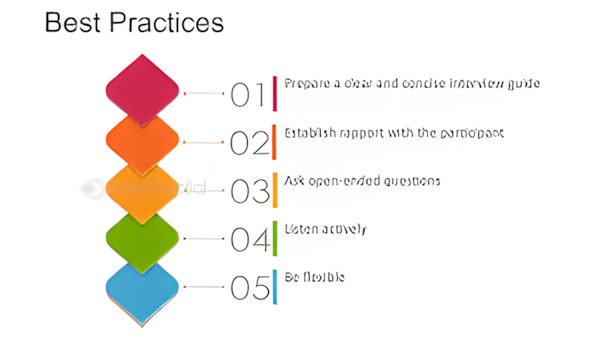
If you’re interested in conducting interviews and providing in-depth analysis, here are a few tips to make the process more effective:
Prepare Thoughtful Questions: Whether you're interviewing a business leader or a product developer, preparing insightful and open-ended questions will help elicit meaningful responses. Research the interviewee's background and current projects to ask relevant and engaging questions.
Listen and Adapt: During the interview, be flexible. Sometimes the most valuable insights come from unscripted conversations, so be ready to follow up on intriguing points raised by the interviewee.
Cross-Reference Statements: After conducting an interview, cross-check key claims or data points against reliable sources. This adds credibility to your analysis and helps prevent the spread of misinformation.
Look for Trends: If you're conducting multiple interviews on a similar topic, look for recurring themes or trends that emerge across interviews. Identifying these patterns can lead to more profound insights.
Present Balanced Opinions: In your analysis, aim to present a balanced view by considering multiple perspectives. This helps readers make informed decisions based on a full understanding of the issue.
Conclusion
Interviews and analysis are powerful tools for uncovering the deeper truths behind technology, business, and innovation. Through interviews, we gain direct access to the thoughts and strategies of experts, while analysis provides the critical context needed to understand the broader implications. Together, they form a comprehensive approach to exploring complex topics, helping readers stay informed and make smarter decisions in an ever-changing world.